9 Powerful Reasons to Use Fake Email in the United States
Ok, let’s just say it, your inbox is a nightmare. You sign up for a free trial, and suddenly you’ve got spam and ads from stuff you don’t even care about. Your real email is out there, just getting bombarded. So here's the hack: fake emails. Sounds crazy? Yeah. But trust me, once you try it, you’ll be like, “Why didn’t I do this before?”
What is a fake email?
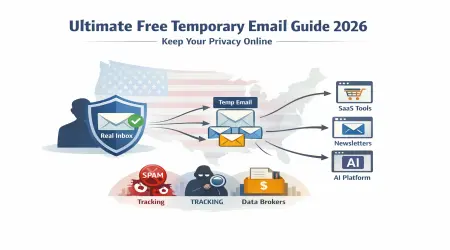
Every time you give out your real email, you’re just saying, “Hey, come track me.” They know what you buy, what you look at online, where you’re at, kinda creepy. With a fake email, you get what you need; no one follows you. Privacy saved.
How Fake Email Services Create Temporary Addresses?
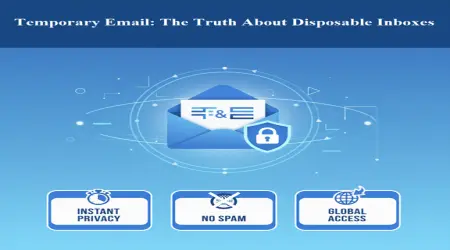
These services generate random inboxes using shared domains. Each address lives for a limited time. Messages are deleted automatically.
That isolation matters. No shared inboxes. No cross-user access. Whether you’re using a temporary email for signup or an API for testing, everything stays contained. This setup cuts down phishing, tracking, and marketing exposure in one move.
Reason 1:
Keeps your stuff safe
Every time you give out your real email, you’re just saying, “Hey, come track me.” They know what you buy, what you look at online, where you’re at, kinda creepy. With a fake email, you get what you need; no one follows you. Privacy saved.
Reason 2:
No more ads
You search for something, and suddenly, it’s like ads for that exact thing follow you around on every site. Stop. Fake email? Done. It stops them dead. Boom. No more stalker ads.
Reason 3:
Spam? Nope.
You sign up for a service or freebie, and suddenly your inbox is flooded with stuff you never asked for. With a fake email, that’s not your problem. Spam goes to the fake inbox, expires, and boom, it’s gone. Clean inbox.
Reason 4:
Try stuff, no strings attached
Free trial? Awesome. But do you really wanna get spammed after? Nope. Fake email = instant access, no extra emails. When you’re done, it expires.
Reason 5:
Leaks? Not your problem
We all know about data leaks. Phishing, identity theft. It’s a mess. Fake email? If it leaks, who cares? It’s gone in hours anyway. Your real email is safe.
Reason 6:
Speedy sign-ups
Ugh, sign-ups. Filling out forms, creating passwords, it’s a drag. Fake email? Sign up, and boom, you’re done. Quick access.
Reason 7:
Keep things clean
If you sign up for too many services, your real inbox will get messy. Fake email lets you keep everything organized. Test stuff, and once done, it expires. Done.
Reason 8:
Stay anonymous
Sometimes, you don’t wanna hand over your real identity. A fake email lets you check stuff out, leave feedback, sign up, and when you're done, poof, gone. No one knows who you are.
Reason 9:
You control when it disappears
With your real email, it’s always there unless you clean it up. Fake email? You decide when it expires. Done? Gone. Easy.
Free. Simple. Done.
Most fake email services are free. No credit cards, no sign-ups. Just create it, use it, and forget it.
Legal? Totally.
In the US, it’s totally legal. Protect your privacy, avoid spam, and use it ethically, don’t impersonate people or scam.
Final Thoughts: When Fake Email Makes Sense
Fake email isn't about deception; it's about control. Employ it when trust is shaky, access is fleeting, or privacy is paramount.
Reserve your real email for long-term, high-trust accounts. Temporary email for privacy provides freedom without sacrificing access. That's the key.